Disasters have a way of arriving without warning and leaving lasting consequences behind. Whether the cause is fire, flood, storm damage, biohazard exposure, or structural collapse, the aftermath can feel overwhelming for property owners. The physical destruction is often accompanied by emotional stress, operational disruption, and urgent safety concerns. Disaster cleanup is not merely about removing debris—it is a structured, strategic process designed to restore safety, functionality, and peace of mind. In moments when stability feels lost, professional Utah Disaster Cleanup services become the bridge between chaos and recovery.
Unlike routine cleaning or minor repairs, disaster cleanup addresses complex damage scenarios that affect multiple systems within a property. Water intrusion may compromise structural integrity, fire can leave behind smoke residue and hazardous soot, and storms can scatter debris while exposing interiors to the elements. Each disaster introduces unique contaminants and risks that require specialized training, equipment, and coordinated response. The focus of disaster cleanup is not only on visible damage but also on hidden hazards that could threaten long-term safety if left untreated.
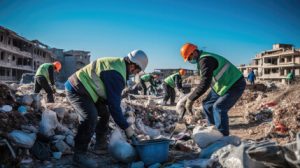
One of the defining characteristics of professional disaster cleanup is rapid response. Time is a critical factor in mitigating secondary damage. After a flood, moisture can seep into subfloors and wall cavities within hours. After a fire, acidic soot residues can corrode metal and discolor surfaces if not promptly addressed. The longer debris and contaminants remain, the more costly and complex restoration becomes. Swift intervention helps contain damage, preserve salvageable materials, and reduce overall recovery time.
Safety is the cornerstone of any disaster cleanup operation. Damaged properties often contain unstable structures, exposed electrical systems, contaminated water, or airborne particles that pose serious health risks. Before cleanup begins, trained professionals assess the site to identify immediate hazards. Protective equipment, containment barriers, and specialized tools are used to secure the area and protect both occupants and workers. This systematic approach ensures that restoration efforts do not inadvertently create additional risks.
Disaster cleanup typically unfolds in carefully structured phases. While the specifics vary depending on the type of incident, the general process follows a logical progression designed to stabilize and restore the property efficiently. These phases include:
- Emergency Stabilization – Securing the site, stopping ongoing damage, and addressing immediate safety threats.
- Damage Assessment – Evaluating structural, mechanical, and environmental impact to create a restoration plan.
- Debris Removal and Cleanup – Clearing damaged materials, contaminants, and hazards.
- Drying, Decontamination, or Odor Removal – Treating affected areas to eliminate moisture, smoke, or bacteria.
- Restoration and Reconstruction – Repairing and rebuilding to return the property to functional condition.
Each step builds upon the previous one, creating a coordinated path toward recovery.
The emotional dimension of disaster cleanup is often underestimated. Property damage can disrupt daily routines, displace families, and interrupt business operations. Beyond structural repairs, the cleanup process helps restore a sense of normalcy. Clearing debris, removing lingering odors, and rebuilding damaged spaces provide tangible progress that supports psychological recovery. Professional cleanup teams understand the sensitivity of these situations and approach projects with empathy and clear communication.
Different types of disasters require tailored approaches. Water-related incidents demand rapid extraction and dehumidification to prevent mold growth. Fire damage requires soot removal, smoke odor neutralization, and air purification. Storm damage may involve structural reinforcement, debris clearing, and moisture control. Biohazard situations necessitate strict sanitation protocols and specialized disposal procedures. The versatility of disaster cleanup services lies in their ability to adapt to diverse scenarios while maintaining consistent safety standards.
One of the most critical elements of effective disaster cleanup is thorough documentation. Detailed records of damage, remediation steps, and materials removed are essential for insurance claims and compliance purposes. Accurate documentation supports transparency and ensures that all affected areas are addressed. This administrative aspect of cleanup, though less visible, plays a significant role in facilitating financial recovery and reducing disputes during the claims process.
Air quality restoration is another key focus. Disasters often release particulates and contaminants into the indoor environment. Smoke particles, mold spores, and dust from structural damage can linger long after visible debris is cleared. Advanced air filtration systems and specialized cleaning techniques remove these airborne pollutants, improving indoor air quality and reducing respiratory risks. Clean air is fundamental to safe reoccupancy and long-term comfort.
Disaster cleanup also emphasizes moisture control as a preventative measure. Even in cases where flooding is not the primary cause, water may be introduced through firefighting efforts or storm infiltration. Moisture trapped within walls or flooring can lead to structural decay and microbial growth. Industrial drying equipment, moisture meters, and continuous monitoring ensure that all materials reach safe moisture levels before reconstruction begins. This proactive approach reduces the risk of future complications.
In addition to physical restoration, disaster cleanup professionals often provide guidance on preventive strategies. Strengthening drainage systems, upgrading insulation, installing moisture barriers, or improving ventilation can enhance property resilience. While no structure is immune to unexpected events, preventive upgrades reduce vulnerability and mitigate the impact of future incidents.
Business continuity is a significant concern in commercial disaster scenarios. Extended closures can result in lost revenue and strained client relationships. Professional cleanup services prioritize efficiency while maintaining quality standards, enabling businesses to resume operations as quickly as possible. Temporary containment solutions and phased restoration plans may allow portions of a facility to remain operational during cleanup, minimizing disruption.
There are several overarching benefits of professional disaster cleanup services that extend beyond immediate repairs:
- Risk Mitigation – Identifying and eliminating hidden hazards that could cause long-term damage.
- Health Protection – Removing contaminants and improving air quality for safe occupancy.
- Cost Control – Preventing secondary damage that increases restoration expenses.
- Operational Efficiency – Streamlining the recovery process to reduce downtime.
- Peace of Mind – Providing structured guidance during a stressful situation.
These benefits underscore the comprehensive value of professional intervention.
Technology continues to enhance disaster cleanup capabilities. Thermal imaging cameras detect hidden moisture behind walls, while high-efficiency particulate air filtration systems capture microscopic contaminants. Advanced drying systems accelerate evaporation without damaging materials. These tools allow for precision in restoration efforts, ensuring thorough results while minimizing unnecessary demolition.
Environmental responsibility is also becoming a growing consideration in disaster cleanup. Responsible disposal of debris, recycling salvageable materials, and using environmentally conscious cleaning agents contribute to sustainable recovery practices. While the primary goal is restoration, mindful waste management supports broader environmental goals and reduces landfill impact.
Communication remains central throughout the cleanup process. Clear updates regarding timelines, procedures, and expectations help property owners stay informed and prepared. Transparent collaboration fosters trust and reduces uncertainty. When individuals understand each stage of recovery, they can make informed decisions about repairs, upgrades, and preventative measures.
The timeline for disaster cleanup varies depending on the severity of damage. Minor incidents may be resolved within days, while extensive structural repairs can take weeks or months. The key to efficiency lies in early intervention and coordinated planning. Delays often compound damage and increase costs, making prompt professional response a crucial investment.
Ultimately, disaster cleanup is about more than restoring walls and floors—it is about rebuilding stability. The process transforms damaged spaces into safe, functional environments once again. Through systematic assessment, debris removal, decontamination, and reconstruction, cleanup professionals guide properties through the journey from disruption to renewal.
In conclusion, disaster cleanup services provide a structured and strategic pathway to recovery after unexpected events. By prioritizing safety, rapid response, and comprehensive restoration, these services protect health, preserve structural integrity, and minimize financial impact. From emergency stabilization to long-term preventive measures, every phase of the cleanup process plays a vital role in restoring confidence and comfort. When disaster strikes, professional cleanup is not simply a service—it is a lifeline that supports resilience, recovery, and a return to normalcy.